

Gloriavale Christian School to close by Christmas after High Court ruling
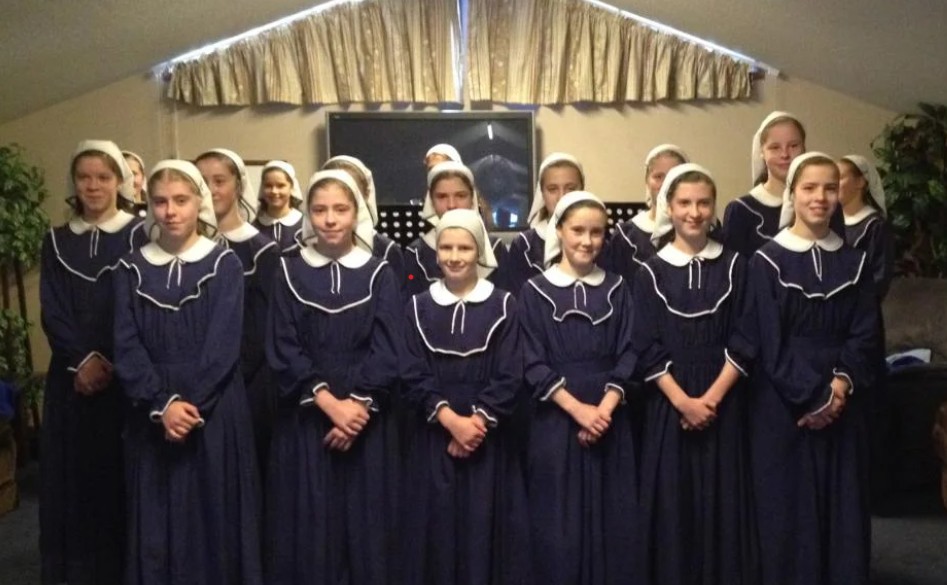
Gloriavale leaders are reportedly urging parents to home-school their children after the High Court ordered the school to close before Christmas.
The school will lose its registration as a private school after the High Court backed a decision by the Ministry of Education. It will close no later than December 18.
The manager of the Gloriavale Leavers Support Trust, Liz Gregory, told RNZ parents would be worried by the impending closure, “but they will find that the children will flourish”.
“It’s not going to be bad for the parents, but you’ve got to work with them to bring down their anxiety levels and to show them that this will be OK,” she told RNZ.
The school had challenged Secretary for Education Ellen MacGregor-Reid’s decision to cancel the school’s registration because she considered that it was not a physically and emotionally safe place for students following successive failed Education Review Office reports.
The school has 80 students between the ages of 5 and 13, and six teachers.
The secretary had made the decision in December and again after another review in August. The school’s board sought a judicial review of the secretary’s decision in the High Court and the court allowed the school to remain open in the interim.
The school board told the court that a statement in the secretary’s decision that the board knowingly employed teachers who had prior convictions was false.
It claimed the secretary’s decision was not made according to law, was reached through errors of law and mistakes of fact, taking into account irrelevant matters and failing to take mandatory matters into account.
In a judgment released on Wednesday, Justice Karen Grau dismissed all the board’s claims and found the secretary’s decision was not unreasonable.
She said the secretary’s decision was based on information including from the Education Review Office, the school, a clinical psychologist, the Department of Internal Affairs and a large number of letters in support of the school remaining open.
The ministry received information from various agencies including from the Teaching Council about four staff members, and Oranga Tamariki about the recent suspension of a teacher.
The ministry was concerned the school was embedded in a community that had a history of concerning conduct, including abuse towards its children, Justice Grau said.
The Department of Internal Affairs raised similar concerns about the community leadership’s “culture of denial” of offending against children.
The ministry was particularly concerned about a teacher, named as W in the decision.
The teacher had self-reported “historic abuse of a sexual nature” to the Teaching Council in February.
Although the school suspended them, the board had shown an inability to manage the allegations independently.
The board told the ministry it was not aware of the details of the self-report and “will lift the suspension at a time when it is safe for students”.
“It was concerning that the board did not know the nature of the allegations, and a predetermination of return to teaching was inappropriate,” it said.
The board wrote to W saying “your suspension does not mean that you have done an action of serious misconduct during school time or on school grounds” without knowing whether it was accurate.
“An investigation should have taken place and the board’s position that it could infer there was no safety risk from the lack of action by other agencies demonstrated a concerning disregard of their own responsibilities.”
The teacher’s employment in various roles at the school raised concerns about the school’s governance procedures and safeguarding practices and a suggestion to reinstate them without vetting after being investigated, gave rise to concerns.
The ministry gave the school eight months from the first notice of cancellation to improve but considered it still displayed a lack of rigorous consideration of allegations of serious misconduct by staff.
Another staff member had allegations against them of assaulting a child but the board found they were unlikely to repeat the alleged behaviour despite advice from police and Oranga Tamariki to conduct a review.
The board had shown an inability to embed safeguarding practices, and there was a lack of understanding by school leadership of the impact on safety when correct procedures were not followed.
Justice Grau found the secretary’s decision was proportionate.
She found the secretary’s decision did not breach the New Zealand Bill of Rights nor was it unlawful and invalid as alleged by the school.
The school had asked the ministry to disregard a consultant clinical psychiatrist’s report, written after providing therapy and support to families and individuals who have left the Gloriavale community.
“It is difficult to understand the submission that information about the community was not relevant when the school is embedded within it,” Justice Grau said.
She said the school’s disagreement with reports did not make it legally impermissible for the secretary to read them.
The school argued that it was capable of change because the unmet criteria had reduced from six in 2023 to only one in 2026.
Justice Grau lifted the interim order allowing the school to stay open and ruled the cancellation of the school’s registration would take effect.
She asked the parties to come to an agreed position on whether it could stay open for the rest of the school year to avoid disruption.