

Woman’s Day sparks backlash with Gloriavale ‘puff piece’
| The Post | Stewart Sowman-Lund |
Woman’s Day is standing by a story in its latest issue about Gloriavale, despite one survivor of the secretive West Coast community describing the article as “unethical”.
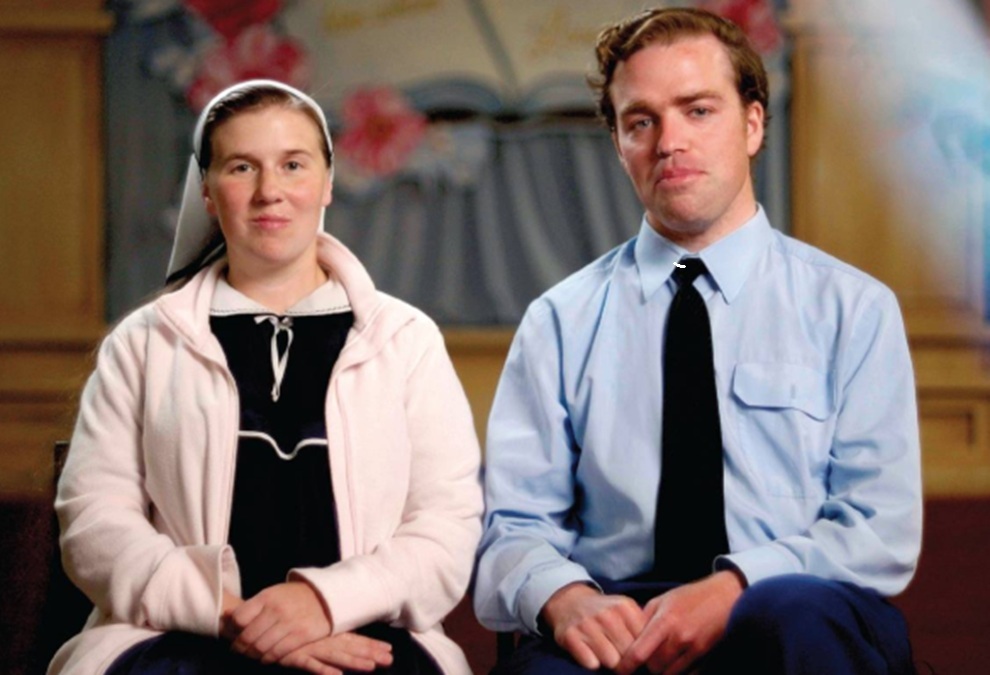
The popular women’s magazine recently published an interview with Dove Stedfast (née Love), a member of the commune who has featured in several television documentaries about Gloriavale, including the recent series Devotion produced by Dame Julie Christie.
The article, penned by the publication’s deputy editor and titled ‘Gloriavale’s Dove Stedfast on faith, family and welcoming baby No.7’, describes Stedfast’s relationship with partner Watchful and the 33-year-old’s hopes to grow their family by having six more children in the next decade.
It includes Stedfast saying she was unaware of abuse within the Christian community and that she was confident her only daughter, Gracious, would be safe.
But the story has drawn a vocal backlash on social media and from commentators.
Woman’s Day has since closed comments on two Facebook posts about the article, following criticism from some that it was “propaganda” for Gloriavale.
One commentator wrote: “Please educate yourself about indoctrination and coercive control. There is so much harm which continues to be perpetrated against Gloriavale members and these stories perpetuate the harm.”
Another commenter described Stedfast and her children as victims of “a coercive and controlling environment” and said Gloriavale did not need “any positive promotion”.
It has also upset those who have left the community, with Gloriavale leaver Theo Pratt telling The Post the article was “unethical”.
“I feel like Woman’s Day was trying to get another juicy story … That isn’t actually with the intention of actually trying to improve anyone’s life. I don’t think they had the best interests of either Dove or anyone in Gloriavale, or the people who have left Gloriavale … It didn’t come across that way.”
Pratt also took issue with Woman’s Day using the phrase “alleged sexual abuse”, saying that former Gloriavale leader Howard Temple had pleaded guilty and been convicted – though he has since appealed his jail sentence.
The Woman’s Day article does acknowledge that Temple was convicted last year of a raft of sex offences against girls and women over two decades.
“They’ve normalised it and made it feel like it’s OK what he’s done by using that language,” said Pratt.
Charitable trust Decult, which raises awareness of cults in New Zealand, alerted its followers to the article under the headline “No love for Dove’s Gloriavale propaganda” and labelled the story a “puff piece”.
“Like the latest controversial Gloriavale doco, the feature downplays systemic sexual abuse and ignores that Dove is a heavily indoctrinated woman in a high-control group where she can’t speak freely.”
The Post is aware of at least two formal complaints sent to Woman’s Day from advocates concerned about the article.
In a statement, Woman’s Day editor Sebastian van der Zwan said the story was a “human interest piece” that explored one individual’s personal perspective and lived experience.
“Importantly, the article acknowledged the egregious circumstances surrounding Gloriavale, and the journalist directly questioned and challenged the interviewee on these matters,” said van der Zwan.
“We recognise the concerns raised and the deeply distressing experiences of many former members. We have previously published several stories reflecting the perspectives of Gloriavale leavers … many of which appear as related links alongside the more recent story.
“There is another scheduled for publication on the week commencing 26 October.”
Pratt said she had not complained to Woman’s Day, but urged media to be careful with their choice of words when writing about Gloriavale.
“I have a profession, and I don’t have capacity to continue to educate the media on the impact of their wording and their language on people who are trying to live their lives again and start over. I feel like we’re sort of past the point … We shouldn’t have to do that.”
The article has no disclosure that it is paid content but there is a promotion of the documentary.