

Dr Norris – Gloriavale a place of social entrapment
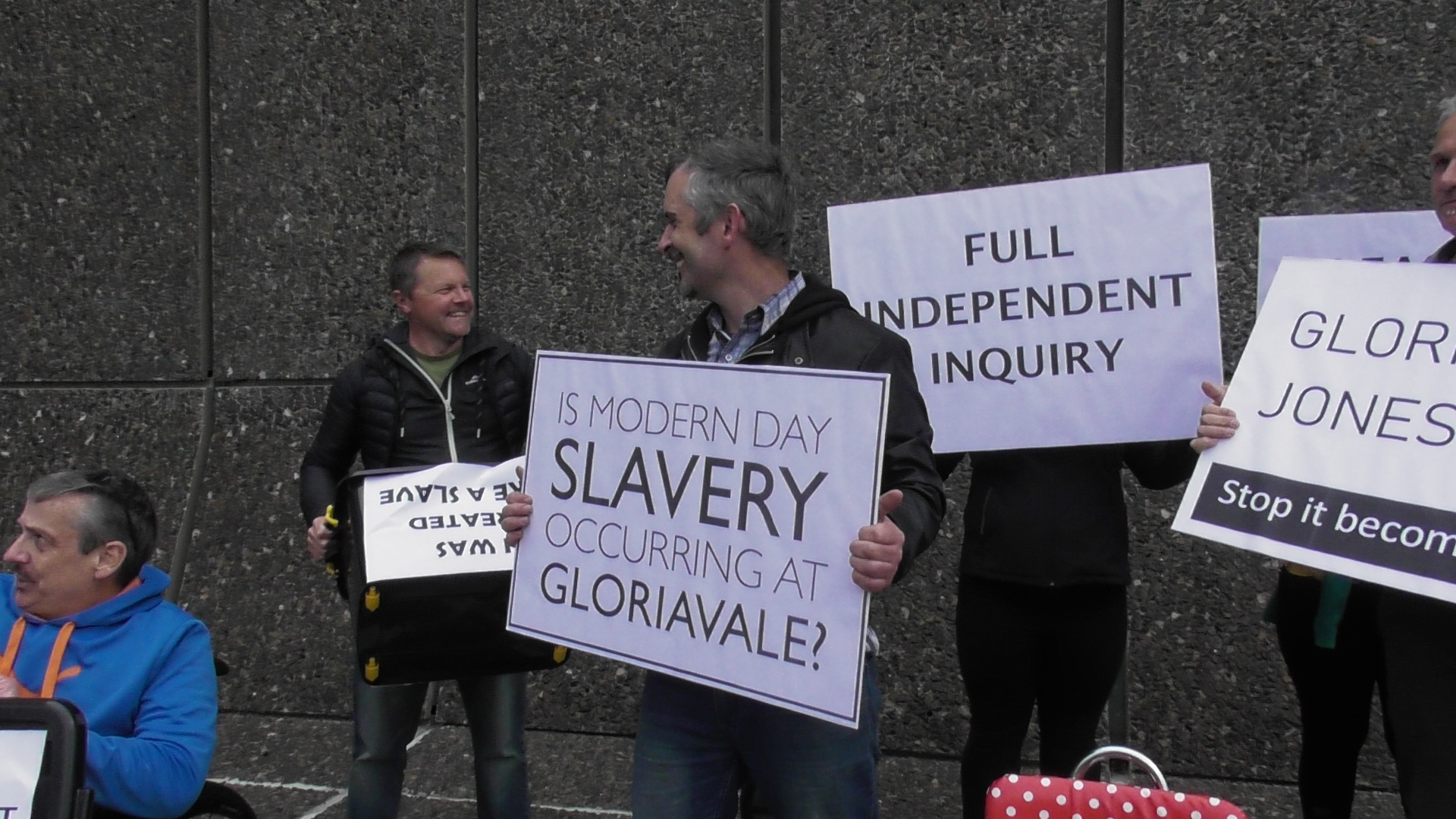
By Liz Gregory.
One of the most fascinating days in the Pilgrim Employment Court (2022/2023) was the day Dr Norris took the stand. I’d been patiently waiting for months to hear what she might have to say. I hung off her every word, and tried hard to keep up with my note-taking efforts! I have since been given Dr Norris’ report to assist with the work we do.
Who is Dr Norris and how did she come in to be in front of an Employment Court hearing?
Dr Norris is a forensic psychiatrist in New Zealand. She deals a lot with the concepts of choice and capacity, undue influence and coercion predominately in the areas of mental health and violent offenders requiring care. And yet here was on the stand in a high-profile Employment court hearing assisting the court in understanding what choice might really look like in a closed religious community. Why?
The Gloriavale Girls’ Employment court case was most unusual. There were 20 witnesses on the side of leavers saying they weren’t volunteers but rather exploited employees. Then there were approximately 30 current Gloriavale witnesses stating they were volunteers and they loved their life there. One group said the community leaders were controlling and didn’t allow people to make decisions about any aspect of their lives. While the other side claimed that wasn’t true and leaders wouldn’t have a clue when they went to the toilet…Leavers claimed they were shamed and psychologically impacted by their time in Servants and Shepherd’s meetings, while the other side said that the men love them and look after them all so well.
Who on earth do you believe when you’ve got such contrary evidence? The Labour Inspectorate noted the disparity between the two groups, and someone suggested an expert might like to assist the judge in understanding the role of power and control in closed, high-cost groups.
Our first reaction was that they would likely have to find someone international for this task. Were they going to track down Dr Janja Lalich, or Michael Langone, Diane Langberg, or Steve Hassen? New Zealand doesn’t appear have a wealth of knowledge around cults, control and coercion.
Enter Dr Norris. From Dunedin!
To add to the intrigue, Dr Norris was asked to write a response to three questions – but she wasn’t told it was about Gloriavale. The questions were up a level, and that’s what makes this so utterly fascinating!
Here were the parameters for her report:
Question 1: What is an appropriate framework or approach for assessing a person’s competence to exercise autonomy and/or choice, including, if applicable, by reference to different stages of a person’s development? Please consider international research and experience regarding people living in, and who have left, religious communities, to the extent it is available.
Question 2: What, if any, adjustments should be made to that framework or approach to assess the competence of a person to exercise autonomy or choice if they are born and raised in a community that has the following characteristics:
a) it is a religious community that the community takes the New Testament Bible (King James Version) as the complete and final source and standard for every belief, doctrine and practice of spiritual life;
b) leadership positions in the community’s Church are reserved for men;
c) members of the community seek to live a practical life where there is perfect obedience to God in accordance with their interpretation of the New Testament Bible (King James Version);
d) property and possessions of members of the community are held in common;
e) the community is geographically isolated (ie, it is impractical to walk to the nearest town and there is no public transport servicing the community’s location);
f) members of the community:
– live in communal housing (ie, members of the community live with other members of the community in hostels);
– do not believe in using contraception (resulting in large families);
– eat together as a community;
– wear largely the same clothing based on gender;
– are educated at either the private educational institutions established by the community for its children or by correspondence school (Te Kura);
– work in different roles in and for the community based on their gender with cooking, cleaning, sewing and washing for the members of the community considered to be women’s work
g) the Church leaders have the ability to request that a person leave the community if they determine that a person was not living in accordance with the community’s core beliefs; and
h) a number of people have left the community to work and live elsewhere.
Question 3: How might having been born and raised in the type of community identified in Question 2 above impact a woman’s ability to exercise autonomy and/ or choice in respect of working in and for the community?
i) What would be the impact on the opinion in Question 3 above if you assume that people in the community are taught that if you leave the community you imperil your soul?
j) What would be the impact on the opinion in Question 3 above if you assume that people in the community are expected to work in the roles assigned to them by those members of the community with authority to allocate work?
k) What would be the impact on the opinion in Question 3 above if you assume that people in the community are taught that women must submit to their husbands and community members must submit to each other in accordance with the teachings of the New Testament?
FORTY PAGES LATER… my neck was aching from nodding. Whew. Breathe a sign of relief. This lady understands it. Ex-cultists tell me that they love nothing more than seeing a professional who “gets it”.
Here are some highlights from the report itself:
Question One:
“The key issue to consider for competent decision making is the process of how the decision is reached, not the actual choice that is made.”
“For a decision to be considered informed and independent, it must not be subject to influence, coercion, or control. A choice will be rendered null and void if the person was subject to undue influence.”
“Influence can arise from several different sources, including parental, authority, or family figures, as well as religious, environmental, cultural and/or community values that affect the person’s ability to make an autonomous decision.”
“The ability to exercise choice is however a significant factor to consider, particularly when considering the influence that the specific community environment will have on the choices perceived to be available.”
Question Two
“Religious rules and values often encourage community cooperation, social cohesion, and conformity. However, such views can also exert control over those in the community. The community described in Question 2 seems consistent with a high-cost religion in that it has tight rules, structures, requirements and expectations for daily life and behaviour, as well as the risk of being judged and potentially ostracised when those rules are broken.”
“The experience of being raised in a community with the characteristics described in Question 2 will likely start influencing the perceived range of choices and decisions that can be made from childhood.”
It is therefore likely that those raised in a community with the values described in Question 2 will have been influenced from an early age about an individual’s role and place in society. This understanding of a person’s role or place will be perpetuated by ongoing rules and expectations such as what to wear, with whom to associate, where to sleep and what to say.
The ability of a woman to refuse to accept their position, make a different choice, or leave the environment will be affected by the community rules, limited knowledge of alternate choices, the need to care for dependents and practical aspects such as access to private or public transport.
“The ability to make an independent decision may be significantly impacted by the controlled nature of the community environment.”
Question Three:
“The community described in Question 2 is a high-cost, male-dominated, religious organisation that exists in a geographically isolated location with restricted and specified roles for community members. The community rules strongly endorse gender roles and decisions being made by men, which is reinforced by the communal living situation and the requirements for appropriate behaviour, including wearing specific clothing. There is a real threat of ostracism from the community for not conforming, including being forced to leave, leading to social exclusion, or being judged by (male) members of the community.”
“Those born and raised in the values of a community such as that described in Question 2 will have had limited ability to experience perspectives and views outside of the group, because contact with outsiders, for example attendance at schools outside of the community, is discouraged. Members have minimal opportunity to consider not only the risks, but also the potential benefits, of making an alternate decision.”
“The influence of a close-knit community, particularly with such strongly defined gender roles, will affect the range of options an individual considers are available to them when making a choice. Women in particular may believe that there is no ‘free’ choice to be made, due to their lifetime experience of living within the values and rules of the community.”
“A wider range of roles, responsibilities, and options could only be considered available to the community members if there was a change in the community values that was communicated by leaders and widely accepted by the group. Without such a change to the community rules, values, and practices, it will be difficult for those living in the community to make an independent choice or decision.”
Other Interesting Notes:
Cold & Hot Cognition
Figner et al (2009) described the concept of ‘hot’ and ‘cold’ cognition and the applicability to adolescent decision making.23 ‘Cold cognition’ is used when making decisions on unemotional topics, such as voting or informed decisions on medical care when not an emergency or when supported by adults to reduce impulsive choices. ‘Hot cognition’ involves the thought processes used in what are often emotionally difficult situations, including driving, offending and use of substances or alcohol. Decision making in ‘hot’ situations is worse for adolescents when they are aroused or distressed, including when under peer influence or being interviewed by authority figures.26 Hot cognitive skills learning continues into adulthood.”
Competent Decision Comments
“In my opinion, to make a competent decision, a person must be able to: understand that a choice needs to be made; receive and understand the information required to make the decision or do the task; process and retain that information, including by disregarding irrelevant information; apply and weigh the information against the task or choice; apply the information to their own situation; consider the likely risks, benefits and consequences; make a decision of sufficient duration for the required task or choice; and communicate the decision using whatever means are available to them.”
“All competent decisions can be affected or rendered null and void by influence … people’s decisions will normally be influenced by others and sometimes heavily so. However, the influence becomes undue when the degree of external influence is such that the decision is no longer that of the person themselves.:
“In the nature of the community mentioned, “the ability to exercise choice is a significant factor to consider, particularly when considering the influence that the specific community environment will have on the choices perceived to be available”
High Cost Groups
“High-cost religious groups often explicitly proscribe nonmember relationships and prescribe member relationships. These groups can produce stigma that both limits ties to nonmembers and heightens unity among members … Time and commitment demands … reinforce these formal and informal boundaries. When a person is required to spend a great deal of time within the group to fulfil his or her membership expectations, it is only natural that the individual’s social bonds will be concentrated within the group. Resulting from these strong ties to the group, weak ties outside of the group, and socialization into an inherently exclusive theological system, the identity of members becomes much more fused to the group. Being part of a high-cost religious group serves as a primary aspect of one’s identity.” Quote from CP Scheitle, A Adamcyk ‘High-cost Religious, Religious Switching and Health’ (2010)
The community described in Question 2 possesses characteristics consistent with a high-cost religion. It appears to have strict rules, structures, requirements and expectations for daily life and behaviour. It also appears that there is a risk of being judged by other members of the community and potentially ostracised if those rules are not observed.
Learning how to make choices
“In particular, there is minimal opportunity to test, and learn from, calculated but potentially risky choices if there is no exposure to alternate settings such as by living, learning, working and experiencing life outside the community”
“The environment is not only limited, but the stakes of making a risky choice are potentially too high. This is particularly so if the individual believes a different choice could lead to judgement or exclusion from the community to which they have always belonged.”
“In my opinion, being raised in a community with the characteristics described in Question 2 is likely to start influencing the perceived range of choices and decisions that can be made from childhood.”
Coercion and Social Entrapment
“Coercion can include physical, psychological, financial, emotional, and sexual abuse; controlling behaviour can include indirect activities such as isolating a person from supports or help, reduced options for personal advancement, exploitation, reduced independence and regulation of daily activities. This micro-management, or social entrapment, affects a person’s ability to make autonomous decisions and choices due to the actual, or perceived, lack of options available to them.”
Control Dynamics
As control dynamics do not involve specific threats or violence, they often do not come to the attention of the legal system. The dynamics of emotional, financial and psychological control are however just as powerful as physical control.
Emotional, financial, and psychological control can create an environment of restriction by enforcing rules that may be humiliating and/ or controlling basic needs such as what a person can wear, where and when they can sleep, and with whom they can associate. A coercive environment is one of constant control, with no respite from the situation and limited options for change.
Women in Socially entrapped environments
“Women living in a coercive or socially entrapped environment have restricted autonomy and are disempowered from making independent choices and decisions. Their ability to leave a situation is usually impaired, often due to a lack of personal resources and options, for example, somewhere safe to go, or fears for the safety of those with whom they stay.”
“This is particularly relevant for women living in communities with limited resources, intergenerational trauma, or subject to conservative, male-dominated society, for example, women living in gang settings which are run on patriarchal lines. Restrictions within the environment affect the ability to make a choice, such as limited finances, dependent children and practical difficulties such as an inability to drive, no money for a bus, and no private phone with which to access help.”
“Many women who leave high-cost religions not only experience mental distress and social isolation, but also require assistance with vocational training, economic skills and basic practical aspect of life outside the religious community such as how to find a job. Many will need to learn how to critically assess a situation if men made the decisions in the community within which they were raised. Without such support, women who have left a high-cost religion could be at risk of exploitation within their new environment.”
“Failure to leave such an environment should therefore not be considered evidence of lack of coercion or deliberate choice; rather, that leaving freely is considered impossible or unsafe. Rather than placing the responsibility on women to leave, the recommendation is to support men in such an environment to make changes to their coercive behaviour.”
The community described in Question 2 above appears to have a patriarchal structure with specific rules on what women can wear, where they can learn, what work they can do, and what they must believe to remain within the community. This is suggestive of emotional and psychological control. The communal living, shared property, and geographical isolation is consistent with reduced ability to obtain personal resources that would support a choice to leave. This is suggestive of financial control.
In my opinion, a community possessing the characteristics described in Question 2 could be considered consistent with creating a socially entrapped environment.
(Wow, we’ll come back to this concept soon…)
Impacts on Leaving
“The changes a person experiences following religious disaffiliation can be significant, including losing family members and social connection, loss of identity as a group member, loss of social support and isolation, ostracism, emotional distress, self-doubt, feelings of guilt and shame and difficulty fitting in to a new and different society.
Bjorkmark et al (2021) study participants described initially struggling to shake a lifetime of being ‘marinated in shame and fear’. After leaving, participants were afraid both in this life and the next due to fears of sin and that they would be punished in hell for eternity. Participants also had difficulty overcoming feelings of guilt, believing they deserved to be punished and lost. Others felt guilty over what they had inflicted on their children and blamed themselves for being manipulated by the religious teachings.”
“Study participants also spoke of significant losses in their life, including family and friends, the impact of being completely rejected and outcast by the religious community with experiences of anxiety, sleep disturbance and emotional problems. Despite the adaptation struggles, participants consistently described eventually achieving a sense of freedom, relief, and liberation.”
“All these studies found similar experiences of ostracism, loneliness, guilt, isolation, loss of relationships but also feelings of freedom and relief over time. The initial experience of leaving the community was worst for those who were directed to leave rather than those who left voluntarily.”
“Many women who leave high-cost religions therefore will not only experience mental distress, but will require assistance with vocational training, economic skills, and the practical reality of living outside the community such as how to find a job. Many will also need to be supported to learn how to critically assess a situation if the community within which they were raised was one in which men made the decisions. Without such support, women who have left a high-cost religion could be at risk of exploitation or trauma within their new environment.”
Born into a high-cost religion
“Those born into a high-cost religion found it even harder to leave than those who chose to enter the religion. This was likely due to being educated within the group, taught to mistrust outsiders, and raised within the values of the community leader and community to accept their role within the group.”
“For communities with strong gender roles, women will be raised to be obedient, know their place, and be subservient to men.”
Questioning the Status Quo
“In my opinion, the all-consuming nature of a high-cost religious community induces further threat to those who question authority – the end of family and social connection and fear of forfeiting the afterlife if community values are challenged.”
“In my opinion, the feeling of limited choice is particularly relevant for adolescents who are still developing their ‘hot cognition’ skills. It is difficult to consider a more emotionally fraught choice for an adolescent than to challenge the values, authority structure and potential afterlife of the only community that you know. Not only does this challenge the authority of adults, but it also means the adolescent risks being an outsider within their peer group – the one place where they strive not to be.”
Why not just leave the community?
“It is not an answer to suggest that the person simply leaves the community if they are not satisfied with the status quo. Scheitle & Adamcyk (2010) observed that ‘faced with these costs, many members of high-cost groups will simply stay in the group to avoid payment of these exit costs, regardless of what this means’. This ‘staying put’ includes not just remaining within the community, but accepting the designated role in the society, despite knowing that others have left the community and established a different lifestyle and identity.”
“In my opinion, an individual living within a community with the characteristics identified in Question 2 is likely to struggle to refuse any aspect of the assigned role, whether this is education and work options or relationship choices, due to their lifetime experience of living within the values and rules of the community (and their lack of experience living outside those values and rules).”
Change in community values
“I also consider that a wider range of choices could only be considered available to the community members if there was a change in the community values that was communicated by leaders and widely accepted by the group. Without change to the community rules, values and practices, as described in Question 2, those rules, values and practices will impact and influence the ability of those living within the community to make independent choices or decisions.”
BOOM! And there you have it. I know many leavers will be reading this and agreeing with the points raised.
QUESTION TIME
But then came the fun stuff! After reading her brief evidence (her report) to the court, question time began. And that was thoroughly interesting!
Question Time is when all the different parties get an opportunity to ask Dr Norris questions. That’s Gloriavale’s legal team (the leaders at this point), the Government lawyers, Leavers lawyer’s and the lawyer asking the court. You could see the ways in that each group wanted to benefit from Dr Norris’ expertise, by the questions they asked. Except for the Gloriavale Leavers. Their lawyers only asked one question and sat down. I think they thought the report spoke for itself – and it did!
Here are some interesting parts of the exchanges that I can’t help but point out. (Yes I actually sat through court and took extensive notes so I could share what was occurring every day with the wider leaver and supporter community.
Ms Catran (Crown/Govt) questions Dr Norris
Ms Catran said I would like you to know I am not here to disagree with your report. I think the report is very useful and provides a framework that will help in this case.
Range of Choices in High-Cost Religious Communities
Ms Catran said would being a member of a high-cost religious community impact on …. the ability to undertake some of these (decision-making) steps? Dr Norris said that question around influence and context. It could affect the ability of the range of choices that a person considers available and maybe what they disregard the risks and benefits. Some of the aspects of the choice could be affected.
Ms Catran said you said it affects the range of choices perceived to be available. Does that mean that Step One (understanding that a choice needs to be made), that that may not actually be a step? It may not be understood? Dr Norris said if it’s a simple choice like what am I going to have for breakfast this morning, it’s usually not that tricky. But if the choice is do I, or can I choose or refuse or make a decision, there is going to be more potential influence about that decision. Ms Catran said so the ability to undertake each step depends on the context and the decision to be made? Dr Norris said and particularly the importance of the decision.
Risk of Making Decisions
Ms Catran said at 71 you say, “The stakes of making a risky choice are potentially too high especially if the choice could lead to judgment or exclusion from the community.” Is this part of the risk assessment at Step Six or does it permeate throughout the whole process? Dr Norris said I think it would particularly apply to applying risks and consequences to your own decision. But yes, I think it does cover the whole range of making a choice.
Role of Women & Making Choices
Ms Catran said you talk later on about the role of women and the impact that has on their ability to make choices. At 96 – 98 you talk about hostile sexism and benevolent sexism that can be used to restrict the ability of women to make a choice or decision including on education, work, contraception and family and that those forms of sexism can reinforce gender roles – that a woman’s role is to at home and to be a mother. Does that perception of gender roles impact on Step one, eg is a woman in a high-cost religious community unlikely to even understand that there could be a choice to do something other than the role or is it more nuanced than that? Dr Norris said I think it’s that combination of factors. If you’ve only got one experience to draw on it’s going to affect whether you think a choice is needed, how that choice might be made, what you think that choice could be. It comes back to that concept of a perception of choice so if you only have one experience it could be difficult to look outside that experience.
Environment of Constant Control – social entrapment
Ms Catran said in para 101 you talk about the environment of constant control where things like where to sleep, what to wear, with whom to associate and para 107 – 108 you talk about a tightly controlled community could result in a perception of reduced choices and options for women and one way of talking about that is calling it a socially entrapped environment. Does being part of a socially entrapped environment impact on Step One the ability to understand there is a choice at all or is it more part of the risk assessment process or does it permeate throughout? Dr Norris said I think it’s the pattern of behaviour experience that’s related to that social entrapment. How well how do you disregard that information? How can you apply it to that situation if you’re not sure if what you can do is safe and also the risk assessment as well.
Prospect of Leaving and Ostracism
Ms Catran said one of the more difficult aspects of life in a high-cost religious community is the prospect of leaving or ostracism which is talked about a lot in the literature and in your report. Do you have any idea how far that prospect of ostracism is likely to be in the background or in the foreground for some of these decisions that people have to make within the community? Is it always going to be there or again will it depend on the context? Dr Norris said I think it would depend on the significance of the choice or request that had been made. Using the examples before- reading a book. I would as an assumption, think that was the least likely to raise that spectre. Refusing to marry someone or follow through a situation that would materially affect the functioning or rules of the society, that would be more to the forefront. I guess it would depend how often the threat of ostracism or rejection exists or how often it is used. If it’s something that’s extremely rare and very uncommon it’s perhaps in the back of people’s minds when making a choice that could lead to that issue, but if it’s something that is actually quite frequent, highly present, highly feared, very relevant, and of concern and has been witnessed or experienced by others then it would be a much higher, more present influence.
Commitment Document Signing
Ms Catran said in this community there are a couple of documents which people sign. One thing people sign is called a Declaration of Commitment to Jesus Christ and the Community. Sometimes they sign it in their teens. Sometimes in their early twenties and the wording of the declaration has changed over time but it is basically a declaration that the member is willing to submit themselves to the community and to each other and to abide by the rules of the community. The circumstances of signing differ between individuals but often there’s a bit of a ceremony about it and it’s signed in front of the community and there’s a celebration. In the context of a community with the characteristics of Question Two do you think that the decision to make that declaration or not is likely to be a hot or a cold decision? Dr Norris said I would have thought its more likely to be a hot, a more emotionally invested decision, perhaps is a better description.
Ms Catran said what contextual factors do you think would be likely to be relevant to the decision to make the Commitment? Dr Norris said there’s kind of two parts to that. The first would be the person’s desire to do so, their understanding, what it means, what it would mean not to sign and the impact in that way. Somebody might be very happy to sign that or have you got a person who feels that they must sign it because they must do so to stay, to be involved, maybe they’re not quite sure. I guess I don’t know with the document if once you sign it you can change your mind that gives people an out or if you’re signed, you’re signed. All those things would be relevant to answering that question I think.
Ms Catran said and do you think that receiving legal advice from a lawyer engaged by the community would be a relevant contextual factor or it might not make any difference? Dr Norris said was the counsel was engaged by the community? Ms Catran said yes. Dr Norris said I think that potentially may not be as much assistance for independence as perhaps it could be, particularly if a person was happy with the document and they didn’t feel like they needed legal advice. But if you had a person who had doubts, when you sit here and think about that position of authority and again that potential influence that could come from the fact there’s a lawyer there, you know, does it actually add to undue influence or is it helping? For a person who is completely independent from the community versus a person who’s engaged by the community for legal advice, I think there would be a different perception with what that advice could give, but I don’t want to be any more speculative than that.
Partnership Signing
Ms Catran said the second document that some people are nominated to sign is the Partnership Agreement. Part of the community runs as a Partnership so that some of the assets are held in common and some people are nominated to become partners in the partnership and that means that they will earn drawings from the partnership, but then they give those drawings back to the community and in becoming a partner they sign the Partnership Agreement which is a fairly lengthy document and has quite a lot of doctrine as well as legal aspects to it. So again the decision to become a partner in your opinion is that likely to be a hot or a cold decision? Dr Norris said that sounds from your description that it’s quite a significant decision. I would have thought it’s more likely to have an emotional component to it for most people so I would have thought it’s going to involve more emotionally required skills, so not just a simple choice, so more using the more advanced hot skills.
Ms Catran said would it make a difference if I say a person’s life does not change before and after they become a partner? They sign a few extra documents but their daily life remains the same? Dr Norris said it’s a little hard to say. It would depend if the person felt that they’d signed that document for the right reasons of if that was their choice, that they weren’t going to leave the community because of it, that might mean it’s a less emotionally related decision.
Women and Work
Ms Catran said in this case we are concerned with work undertaken by girls and women. You were asked to assume that there is little choice about what job you do, that a woman or girl is assigned a job to fulfil a need in the community. I’m going to add that perhaps there might be some discussion about that job and perhaps there might not. So in the secular world we would say there are a whole range of choices that a person makes about work. Some are relatively big choices whether to apply for a particular job, train for a particular career, see promotion through a particular career pathway. In the report you say that women in high-cost religious communities have little opportunity to exercise these big choices because they have little knowledge of the range of options available and because of the emphasis on gender roles. Have I reflected that correctly? Dr Norris said I think you have, yes.
Ms Catran said but in the secular world we would also say there are more minor day-to-day decisions about work. So for example to take a day off sick, to work and extra shift or not when you were asked to, asked to change the roster if you have another commitment, or to ask to take leave in the particular week when you want to do something non work related. So if we look at that kind of range of decisions, in a high-cost religious community are these day-to-day decisions also contextual and what contextual factors or inputs might be relevant to making those decisions? Dr Norris said I think this possibly goes across both of those examples. I think if there’s the option, for example with sick leave if a person feels that they will lose something and I don’t just mean financially, but there’ll be some personal penalty or issue or judgment or something that comes about from having a sick day that might affect a person’s decision across both those scenarios. A person in a secular setting may feel they have more protection with regards to whatever is in their contract around numbers of contracted sick days, aspects around medical certificates than the high-cost religion setting. I took a broad approach to this question, but there may be more challenges for the person to make that choice or ask for a swap or ask for a roster, a change if there is a higher impact. If there’s a loss of something whether or there’s some form of judgment or some issue that comes about. But without knowing what those sanctions would be, I’d be speculating a little.
Ms Catran said okay, so culture or expectation is one of the factors that might influence that decision? Dr Norris said yes, the culture, the expectation of the employer, the experience others have had before in that circumstance etc. Ms Catran said so experiences that the individual making the choice may have witnessed from others when they’ve tried to make that same choice? Dr Norris said that’s correct or experienced themselves.
Obedience and Unity
Ms Catran said in your opinion is the requirement for obedience and unity likely to loom large in the mind of a person when making those kinds of day-to-day choices or does it depend? Dr Norris said it depends I think. It’s the experience that’s gone before in that particular circumstance. The knowledge of what making that choice or decision will have for that particular person. That would be the same for a person in a more of a non-high-cost religion employment setting – what had been the consequences that have happened for that particular person. So it would depend on what that person’s experiences had been. Again if they’ve been very negative or difficult or very challenging for that person or someone they knew, that would make it a harder decision to make.
Ms Catran said so that’s kind of a risk assessment focus? It’s looking at the possible outcomes of the decision. What about at the input or value stage? If the value of obedience or unity has been internalised do you think that would have a high impact on the decision? Dr Norris said I think that would influence the person to think very carefully about the decision particularly if they felt that that obedience was somehow going to be challenged in their community, their place in the community, what they understood, and what they felt was right.
Ostracism
Ms Catran said then again looking at the prospect of ostracism, is that something that’s likely to be in the mind constantly and influencing these day-to-day decisions or not or does it depend? Dr Norris said again it would be what was related to the decision that needed to be made. If there was a situation that the person could easily take a sick day, nobody had ever been ostracised in the community for doing so, it was a thing that was understood, it’s unlikely to be a high factor there. If however that had been a circumstance where that had happened then I would think that would be something a person would be when considering that as part of making the decision because that’s applying it to your own circumstances.
Threat to one’s soul
Ms Catran said taking it a step higher, in the community we’ve described to you there is a potential threat to one’s immortal soul if one does some things which are perceived to be highly sinful. Is this threat likely to be in the mind of a person constantly when making these kinds of decisions about work, or is that only really going to come into play for a much more serious decision or does it depend? Dr Norris said possibly a little speculative for me to speak to that. Again it would come down to if a person very strongly felt that their soul or their afterlife or their future was dependent upon doing what they were required to do.
Day-to-Day Decisions
Ms Catran said you talk about the difference between cold decisions which are intellectual and hot decisions which are more emotional and that adolescents develop cold decision-making skills earlier but capacity for making hot decisions takes longer. So the day-to-day decisions about work, are they likely to be hot or cold or would it depend? Dr Norris said again it depends upon the circumstance and on the undue influence and adolescents being more susceptible to authority figures, parents or others. That does influence their decisions.
Ms Catran said what kind of influences could they be subject to or worried about? Dr Norris said in a general work context if there’s an authority figure telling you something to do, and you’re not sure about it, then it could be potentially more difficult for an adolescent to challenge that than an adult. It might involve more pushing back against authority or against your peer group. Ms Catran said and when you say “authority” does it make a difference if you’re pushing back against your supervisor, the person immediately above you in the work place, or against the leadership? Dr Norris said I think it would depend who the adolescent saw as that authority, that it could potentially be both.
Bigger Decisions
Ms Catran said are the bigger decisions about career path, job choice, asking to switch to a new job, likely to be hot or cold decisions or again would it depend? Dr Norris said I guess it would depend on what the circumstance was for that particular person. Was that something they wanted, was it not, where were they sitting with that choice? I think without a specific example it’s a little difficult to be more specific.
Ms Catran said I’ll give you an example remembering we’re in a community with the characteristics in Question 2. If a woman had been assigned the job of sewing in the sewing room but she would like to become an ECE teacher which his another role which women are permitted to have, would it be a hot or cold decision for her to ask to change jobs or would it depend? Dr Norris said it would again depend on what the experience has been of others who had made such a decision. So if that had been a positive experience for that person, their peers, it was a recognised swap, there were no negatives, there were no downsides, it was something that could be looked at as a different career option, it’s something that could create debate but it was manageable and the person could work through it, I still think there would be an emotional component to that because that’s quite a lot to consider. But it could be more on that cold side. But if it had been a situation of anybody saying look I want to change this job, I’m not happy with this career, this isn’t an aspect that works for me, and challenging that would be seen as challenging the values of the community, the person’s specified role, the person’s situation, there could be impact on them, their family, etc then that would be a much more emotionally fraught decision and I guess there would be those aspects with community values and the ostracism in question if that was part of that.
Ms Catran said what if there was nothing to compare it to – no one had tried this before but you thought you might give it a go? Dr Norris said I think those are the most challenging decisions for people to make. Anyone that breaks the glass ceiling there’s going to be a lot involved in doing that. And knowing that those risks are, that person may still decide to make that choice but do they have the information available to do so.
Ms Catran said and taking it a step further, say they wanted to leave the sewing room and do a job which is not traditionally seen as a women’s job eg working on the farm. Would that be a hot or cold decision? Dr Norris said if the woman felt there was no way she could express that in a way that was safe, that would be listened to, that would be respected, I guess that’s an example of the person maybe not feeling that a free choice can be made. If you’ve got an environment where changing the status quo, giving things a go, testing something different is actually supported or considered it’s time to do so or it’s recognising individual skills regardless of gender, situation, age, race or whatever, I still think it would have obviously an emotional challenge associated with it. That would affect the person’s ability to make that choice and take that big step.
Work Decisions
Ms Catran said let’s say the person had something go wrong which means they are now on that long difficult journey to deciding whether or not to exit. Does that change those daily decisions about work? Some of them we said would be cold decisions, does that mean that they are more likely to be hot decisions? Dr Norris said to clarify, you’re talking about somebody who’s seriously thinking about leaving or has been asked to leave? Ms Catran said hiding it but thinking about it. Something has gone wrong and so now they’re in that state of cognitive dissonance and they’re starting to think about it? Dr Norris said all these things obviously relate to the individual that’s making the choice. For some people having a routine while you’re going through a real turmoil or difficult thought process could help someone – they’re used to knowing what to do, they may not want to be doing it but they can do it. And that would be more your kind of cold situation, this is my routine while I’m making this huge emotional personal decision to leave or not to leave. For somebody else it may just feed into the frustration about why you want to leave, you want a different path, you can see there’s a different option, you’d like to make a different choice but you don’t freely think you can make it or you’re not able to do so in your community. So I think you could say the work may feed into that decision or turmoil that you’ve got at that time.
Leaving and Remaining
Ms Catran said you’ve had a look at quite a few studies of leavers’ experiences and the psychological process that has gone through making the decision to leave and then the after effects of leaving and developing a new identity. I would like to explore the narratives of those people who have left and the narratives of people who remain. At the most extreme, each side could discount the other’s narrative using some heuristics. The leavers could say that the people who remain are either brainwashed or are putting on a face. The literature talks about a Mormon face where you’re hiding your true feelings and putting on a face, the outward appearance of obedience and happiness. The literature also talked about living dualistically where you have a cognitive dissonance between your actions and your internal processes.
Exit Journey Steps
Ms Catran said on the other hand the members who remain could say that leavers are affected by negativity bias and hindsight bias. I’d like to talk about the psychological process of deciding to leave and leaving. So the process can start with something going wrong, either suffering or witnessing a traumatic event, or it might start with a simple disagreement on doctrine where the member just doesn’t agree with something that’s been said and that creates a cognitive dissonance for them. Then they progress along what is called an exit journey which has many stops and starts. It’s not a linear journey. It typically includes something jarring, either the traumatic event seen or experienced or the difference in doctrine which is then leads to a process of research and where the person investigates that jarring thing or that aspect of the religion, re-thinking the problem, scrutinising doctrine previously accepted and an in-depth process of analysis. Then there’s also often a feeling of guilt or backlash for having done that scrutinising, then disagreement which might mean the exit journey pauses for a bit and then it repeats. Something else might happen. Some other jarring aspect, another period of re- thinking, another period of pausing and that might happen several times over a long period and we’re talking years in some cases. Then eventually the disaffiliation is so strong that the person decides to leave. They may not do so immediately. There are many pull factors leading them to stay but eventually they leave and again sometimes those pull factors may cause them to return for a period and then they may leave again. Of course that is not a one-size fits all process but that’s my interpretation of those studies I just mentioned.
Dr Norris said and some people are also directed to leave as well. Ms Catran said right, which I understand is a totally different thing. Psychologically it’s a totally different process Dr Norris said my reading of the literature that could make it harder for that particular person because they hadn’t gone through that very complex personal journey or made that pathway were they had made that decision so seemed to be more mental distress and struggle for those who were directed to leave versus those who perhaps had the chance to take that incredibly complex journey.
Ms Catran said is there anything you’d like to add or change to that description? Dr Norris said these studies are qualitative. This is about people’s personal experiences and journeys and they will vary. For some people it might have been an easy choice. Most people, that certainly seemed to be a very challenging choice to leave your community, potentially forever…Some people may be able to sit there and reflect clearly about how they felt, what they experienced, the challenges they have experienced . Then as they found a new setting and situation there would be all the understandable emotions people can think of. There’s going to be anger, guilt, anxiety. Some people have self-harm, suicidal thoughts. There are a lot of things that came through for people but the final theme was around acceptance and that was spread across a wide variety of the studies.
Establishing a new Identity
Ms Catran said I’ve talked about the process of deciding to leave and the stop/start nature of that journey. The studies talk about the process of establishing a new identity outside and again that can take a long time and be very difficult. They do identify some themes, similarities & differences between people. You’ve already mentioned the difference between leaving voluntarily and being asked to leave. How significant do you think that factor is in shaping someone’s identity and story? Dr Norris said from what I’ve read from the literature, that appears more intense for a person. It may be harder for that person to move on and move forward. That was harder certainly in the interim but they could still come to that resolution point but it we more difficult at the start.
Ms Catran said is that because the person who decides voluntarily to leave is exercising agency? Dr Norris said I think if somebody’s gone through that journey where they finally can take that step, I’m sure there are many feelings of regret and uncertainty and they’re too-ing and fro-ing but I guess you have made that decision yourself, you’ve been able to weigh it up, apply it to your circumstances and make the choice as opposed to a choice being made for you.
Keeping Contact with Family
Ms Catran said one of the other themes of difference was the people who kept ties with family, friends, neighbours and so on within the community and those who severed them. My reading is that the literature goes both ways on this point. I’d like to hear your thoughts? Dr Norris said from memory, it would be easier if you could maintain your family connections rather than be ostracised from them because obviously you’re maintaining a part of your life. Ms Catran said my reading is that the sense of loss which is talked about a lot is less if you haven’t lost your whole family, that would make sense? Dr Norris said if you haven’t lost everything well then your sense of loss is less. If you can still connect with a person, talk to someone, be with that person, talk to your family, visit your friends, you haven’t lost those people as much. You might’ve lost your community but again that would be a personal experience . If the person went to visit someone and they couldn’t see them or weren’t allowed to or the relationship was totally different, you might find that you had still lost it.
Ms Catran said on the other hand there was a bit of a theme if you still have contact with your family inside and they are judgmental of you or trying to bring you back into the community or there’s some kind of pressure or shame going on there, then that could have a negative outcome. Dr Norris said from what I recollect that would be that rejection aspect to it even though you haven’t actually technically lost that contact, you’ve lost the connection. So that’s going to fit into someone’s feeling of how they’re managing, have they made the right decision, second guessing themselves – those things I think all people would make regardless of whether it’s a high-cost religious setting or not. If you’ve made a choice and you’ve felt you are going to be able to maintain a connection and you can’t then that’s going to make you second guess. If you’ve got no way of going back I think that would be harder, but that’s my opinion.
Importance of a Support Group
Ms Catran said another theme that was identified was having a support group on the outside or not having a support group. And in particular they talked about online support groups – especially having a support group with shared experience eg a former Mormon support group for example. Would you like to comment on how important that is in creating a new identity? Dr Norris said I think support groups are helpful across a wide ranging of situations. We see them in a number of different areas, a miscarriage support group, somebody understands what you’ve gone through, Divorce group, those kind of things. I think somebody who has an understanding of the very specific situation that the person was in because they’ve been there and gone through that or going through that themselves could be very helpful for someone. It could help somebody make sense of their situation, expose them to situations that they didn’t even think could come up. People maybe needing to look about how you’re getting a job and the skills that you might need in a new situation. That support group could give you some guidance. It’s not going to fill the hole left if you’ve lost your family but I would think it would help with a person making that adjustment and that certainly seemed to be the reading from the literature I saw.
Dealing with the Traumatic Event
Ms Catran said the last theme I’ve identified is dealing with the traumatic event. It may be inside but dealing with that through counselling and therapy received on the outside and that seems to have a large impact on identity. Dr Norris said some of the studies that I was looking at how, particularly mental health or some form of more formal support services are best able to assist someone if they are struggling because not having an understanding of the environment the person came from could lead to things being less helpful. There’s quite a lot of literature talking about the best way to support someone with a better understanding of the environment that they’ve come from. Not knowing can do more harm than good which is why those support structures have developed for other places internationally and also through various therapy situations as well.
Retrospective View
Ms Catran said in your opinion does this long, potentially difficult process of forging a new identity on the outside impact on the view of one’s role when one was on the inside? Dr Norris said it’s a little difficult to answer. From a broad sense we’re all informed by the experiences that we have. Other literature is clear if people have experienced trauma in their life that can impact on the longer term, the experiences that they have, how they can or can’t deal with that. You’ve also got the retrospective aspect – people looking back. There’s going to be anger, frustration. Being in a situation where you didn’t know there were other options available and you’re angry that you didn’t know or that you feel it was challenging that you didn’t have that available to you one year before, when you were living in the community. I think that you could never say that your early experiences or personal experiences affect your perceptions or views. They are going to shape that. They don’t necessarily have to dictate what a person does or the identity that they create.
Cognitive Dissonance
Ms Catran said if the person goes through this cognitive dissonance process and that other exit journey that we talked about eventually their view of that role is so diminished that it’s less cost for them to leave that role? Dr Norris said they’ve weighed up all the different options and choices and decided that what was so important about that role isn’t so important now or isn’t the driver for me or isn’t the reason why I need to stay or have to stay and so I can choose to leave without as much regret, guilt, shame, whatever it might be when I make that choice to go.
Transitional Stage of Exiting
Ms Catran said that section also talks about the transitional stage of the exit, “The process had a mixed outcome and wellbeing, incurred losses. The transitional stages of the exit were commonly associated with feelings of guilt, fear, shame and contributed to diminished self-concepts.” So the transition is difficult. Can there be a crisis of identity during that transition? Dr Norris said and there’s no sort of specified time how long that transition will take. It’s going to be personal.
Ms Catran said on page 2128 it say, “Despite role losses and ongoing stressors, exiters manage to reconstruct an identity linked to gains in the new social world. For many these new roles and positions contributed to increased wellbeing.” So they’re constructing a new identity with a new role. Would you like to make any comment on that? Dr Norris said I think the study was consistent with the others about the journey a person makes . It’s about coming to terms with the challenges and situation and that was a consistent theme that people came to – that when they came to the end of that journey there was a sense of relief and personal gains despite the challenge associated with that journey. I think that was seen in the studies I’ve referred to in my evidence.
People who Remain
Ms Catran said I’d like to look at the people who remain in the community. At paragraph 16 you say that all people and all decisions are influenced by certain things including education, family, values, culture, potentially religion etc. And what we have to look at is when this influence becomes undue. Worldwide many intelligent women are members of high-cost religions and stay their whole lives. That includes women who convert to those religions and women who are born into those religions. How can we tell when these women are exercising agency and a deliberate choice to stay in those religions or how can we tell when they’re just subject to undue influence? Dr Norris said I guess that’s the million dollar question. I was talking about earlier that there will be some women who are happy with that situation, they don’t want to challenge it, that’s the place of society, it’s the only thing they’ve ever known. I think particularly those who have chosen to enter a group, that’s a deliberate choice in itself. So those in a former generation – forms the group or chooses to enter the group. It’s harder to answer for those who are born into the group or second, third generation from there because they don’t have all the other options that they’ve been able to consider and weigh up against their circumstances. They’re different. This is the reality. You cannot traverse all the literature in the world with regards to informed choice. You also cannot sit there and say if we work on a presumption of competence that women choosing to be there, they’re happy with that, they don’t want to challenge that, that that is not a choice, it is a choice. The challenge is more for those who don’t know the other choices are there or cannot feel that they can freely make a choice for some of those coercive aspects of potential coercion that I’ve outlined in my evidence.
Undue Influence, Coercion & Real Choice
Ms Catran said those are the pull factors – such as family, the number of children you might have, ability to get a job outside? Dr Norris said and I think wider than that. The reproductive coercion, coercive control, the benevolent sexism aspects that can affect a person’s ability to make the choice to work in the farm. If it isn’t there, how can you say it’s a choice. If it isn’t ever told you it’s actually available. That’s the challenge around what is autonomous and what is not.
Self-Denial
Ms Catran said in the world view of some of these women, it is correct to deny the self and to do things you don’t want to do for the benefit of the wider community. How do we know when this is the exercise of agency by that woman or where it’s the result of undue influence or coercive control? Dr Norris said and that’s the balance in terms of how much does the nature of the community effect their ability to make a different decision or express a different decision. I’ve talked about some of the factors that increase those challenges for women. That’s the difficult situation. If you’ve got somebody who says they’re happy in their role, who is to say that is incorrect? The issue comes about in terms of where does that influence sit if you’re in a male hierarchy, that you cannot express something if you could never even consider that you could freely choose to do something differently because it’s just been told to you, that you’ve had engrained in you from childhood, that that is not your role. Where does that line sit with undue influence? If you’re told that there’s a physical punishment element or a psychological that means that your ability to say yes I’m going to do that, where does that cost become too high when you’re weighing that against your own circumstances? And that’s the challenge any individual will have.
Ms Catran said am I reflecting back correctly that we can assess the sphere of choice or the degree of choice by looking at the strength of the control factors impacting on that person? Dr Norris said it comes down to the perception of the choices available. Are they freely available or is it actually there is choice because there is no option for whatever reason or factors exist to reduce that option.
Ms Catran said and that might link back to step one, understanding that there is actually a decision to be made? Dr Norris said perhaps a thought that there cannot be a decision. There is no decision because it is not an option.
Ms Catran said if someone is in that Step One space then they’re not actually exercising any choice at all are they, they’re just accepting and that’s that? Dr Norris said if you think about the aspects related to making a choice, it’s not just there’s a choice to be made, it’s all the other bits that you need to weigh against. Is it available, is it not, how is this going to fit for me, how do I express it, can I express is safety, can I make an enduring choice, all those aspects. If you’re starting with a situation that there is no choice it would be difficult to weigh those factors because what have you got to weigh?
Engagement with Government Agencies
Ms Catran said I want to deal briefly with the issue of engagement with Government agencies and reporting wrongdoing. You’ve talked about other research you’ve come across and the way therapists need to engage quite carefully with people who’ve left the community. We’ve had evidence of a previous culture or policy of dealing with all problems that arise within the confines of the community – bringing them to the leaders, or dealing with them individually, not taking them outside and that includes not complaining to the police or other government agencies about wrongdoing. We’ve heard also that this policy has been changing over the last several years (the length of time we’re not quite sure), but it’s agreed that this change in culture takes some time and that during that transition period some individuals will embrace the change in culture and some will have difficulty with it. At paragraph 134 you talk about the prospect of a change in community values. You’re talking about the range of options available to women. You’re not talking about engagement with government agencies but I wonder if the same principle might apply. You say, “A wider range of choices could only be considered available to community members if there was a change in the community values that was communicated by the leaders and widely accepted by the group.” Are those the things that you think are necessary for culture change to be achieved? Communication by the leaders and acceptance by the group?
Sea Change is Necessary (a sea-change is a substantial change in perspective, or a complete transformation, a radical change of direction in attitude and goals)
Dr Norris said I’m more referring to a sea change rather than something quite that narrow. The characteristics I was given involved a male-dominated hierarchy structure. I can’t comment on changes that have happened over time. I don’t have anything more specific than that but the sea change I’m talking about would be a change in roles available, a widening of experiences so people could make different choices, make them safely, freely without fear of issue or ostracism, those aspects that could potentially cause that influence, an opening of that environment. That’s more what I’m referring to there. So it is also true that culture change takes time, but I’m referring to more significant changes than just involvement through an external agency.
Ms Catran said by sea change you mean a really fundamental change to the way the community works? Dr Norris said significant changes or options being available and there is no concern around the perception that that choice was not available.
Mr Valor (Gloriavale Shepherd) questions Dr Norris
Capacity
Mr Valor said your affidavit has been quite informative and I appreciate that. There’s a couple of questions I have regarding it. So you’re a forensic psychiatrist? Dr Norris said that’s correct. Mr Valor said So I’m assuming that you’re aware that capacity is presumed unless lack of capacity is proven? Dr Norris said as per my evidence I talk about the presumption of competence or capacity and give a couple of footnotes to that, yes.
Mr Valor said so without interviewing people in this community that’s described in Question 2, how can you decide that the group does or doesn’t have capacity to make decisions? Dr Norris said I don’t think I have actually said that. The first part of my evidence refers to how people make decisions. The second part is looking at characteristics of a particular group and using the international and national literature how that might affect a person’s decision-making, and particularly thinking about women, and how those aspects might concern them. It’s around the characteristics given and narrowing down from a broad discussion around how people make decisions versus how influence may or may not affect the decision that’s made.
Mr Valor said so there’s no way that you can clearly define which of the witnesses in this case did or didn’t have capacity? Dr Norris said I would work on the fact that there is a presumption of capacity and all the persons involved in this have capacity unless proven otherwise. Obviously I was very specifically advised that I would not and it would not be appropriate to meet those involved in the case.
Can people be happy inside the group?
Mr Valor said I understand. So if there was a community as described in Question 2, there would possibly be a group of people within that community who were quite happy to be there? Dr Norris said that’s certainly likely, yes.
People on the exit journey
Mr Valor said there could also possibly be a group of people who were in their decision-making process? Dr Norris said yes, absolutely. Mr Valor said so as you said before that could be quite a long process, it could be months to years from what I understand from what you’ve said? Dr Norris said absolutely yes. Mr Valor said so there’s no way without personally engaging with those people to decide what proportion that would be, is there? Dr Norris said no without interviewing the entire community and that’s where the the broader looking at the literature is relevant.
(Was he fishing to find out how many dissatisfied members there might be??! Probably more than he realises).
Stay or Leave
Mr Valor said the report that you’ve written here seems to focus on the larger decision of whether to stay or leave. A lot of the reports that you have quoted, they’re dealing with that major issue. If someone was unhappy about staying in this type of community as described in Question 2 and they were thinking about leaving, we might anticipate that there was quite a period of indecision and cold decision-making, up until something might happen to trigger, and that might what was described as the hot decision-making process. But there could be quite a time when there’s the analytical decision-making going on behind the scenes but then it could be an emotional event which would precipitate the final decision. We could expect that in that timeframe there would be quite a lot of unhappiness or emotional stressors on that period of their life which could affect the way that they look back on their experiences in that environment? Dr Norris said it’s a bit speculative. Again the individual experience of a person is going to depend on what happens to them and what they decide. They might be pleased with their choice, they might struggle, the evidence suggests that there will be people have guilt, shame, that fear for the afterlife before they come to an acceptance phase. Again what they look back on is going to depend on what else that they’ve come across and what they experience. Mr Valor said yes but the bulk of the evidence that you’ve given is people that have not looked back on it in a very positive light? Dr Norris said when I went through and looked at the various studies I was trying to get a range across a number of area. Certainly those studies talk about people being distressed as well during that time. The evidence I have suggests that people come to that point of resolution but yes they may look back, be angry and frustrated and feel that they were subject to conditions or situations that they wish they hadn’t been.
Chronic Embitterment
Mr Valor said are you familiar with the condition called Chronic Embitterment? PTED is the acronym – Post Traumatic Embitterment Disorder). Dr Norris said that’s not a condition I would see in the DSM or ICD. Mr Valor said we have a paper where which we’d like to produce. (Lunchbreak is taken at this point so Dr Norris can read the paper)
Mr Valor said looking at page 74 and 75. My simple question is would you agree that this disorder which has been identified here, is it valid? Dr Norris said reading this article and a few of the others linked to this person very briefly through the lunch break, it’s a proposed diagnostic criteria. It’s a proposed diagnostic structure that could be useful but it has not been fully tested or accepted.
Mr Valor said and so would it be feasible though to take this into account in all the research that you’ve done and tabled, would it be conceivable that this could be taken into consideration? Could it be valid? Dr Norris said I can’t say if it’s valid from a scientific perspective. Certainly there is some discussion in this paper and this author is the one that is suggesting this diagnosis from his work in the Berlin Wall. I guess there are some questions from this article whether it would apply in the circumstances.
(There were some splutters as Samuel spoke about the embitterment disorder. It’s one of Gloriavale’s favourte words to fire at leavers – they’re just bitter. ON a good reading of PTED, it doesn’t go well for Gloriavale either way bringing this up. If people do suffer from this condition, it’s because a hugely traumtic event accured while they were in the group…)
It’s easy to leave
Mr Valor said okay. Moving on, so if we had a community as described in Questions One to Three where over a period of 10 years, 200 adults had taken the option of leaving and the adult population that’s in the community was 300 (so 200 out of 500 had left), would those numbers suggest that there was a significant barrier to leaving that community? Dr Norris said the number to leave is almost irrelevant. Perhaps that was easy for them to leave. The literature with high-cost religions suggested it is not and if that number has left I couldn’t comment on whether that meant it was easy or not to leave.
Mr Valor said I wasn’t particularly asking if it was easy to leave, my question was would it be a significant barrier to leaving? Dr Norris said leaving doesn’t just mean the physical circumstance. It also means the community so are you able to clarify that for me? Valor said okay so I’ll go in another way. If there were 500, and 400 left and there was 100 that stayed, would that indicate that there was a significant barrier to leaving? Dr Norris said I think it’s as before. I can’t just say it’s on numbers. I think if you take a simple number value that 100 people have left out of 500, and 400 can leave then yes, but my questions asked related to the process of leaving. So without knowing the details associated with those people that have left I can’t say if it would have been easy or simple. That fact they have left would be a fact but the impact on them, I couldn’t comment on without more information.
The judge said to Mr Valor, are you asking whether the higher the number it’s indicative of the less barriers to leaving? Mr Valor said, yes that’s correct. Dr Norris said again it’s difficult to answer I think. If it’s a very simple situation for people to leave, like they were moving house, that’s one thing. I don’t think you can put a significance on a number or I can’t in this particular circumstance.
Exercising their Right & Capacity
Mr Valor said so if the women chose to leave a community as described in Question Two would you say that that person was exercising their right to decide and is likely to have capacity? Dr Norris said obviously we start with a presumption of capacity. It would again depend on the circumstances for the individual woman and what she had decided, where she thought the choices were, her ability to do so. My point starts with the presumption. It’s the undue influence question that will be the personal circumstance.
Mr Valor said so then if her sister decided to stay would that imply that she had capacity or lacked capacity? Dr Norris said I don’t think the decision of a sibling would have necessarily influenced the decision of another. It may make it harder for the other person if they couldn’t see that person again. One person stays; one person doesn’t. It’s about the relevance they put on that for themselves.
Mr Valor said so what we come to is that each person has their own capacity and it’s an individual capacity? Dr Norris said with the capacity to make a decision, we’re thinking about an autonomous decision for a person. But as I’ve said, that decision-making will be taken in the context of their environment, their family, their social circumstance, what they believe, what they believe is available to them.
Mr Valor said absolutely and we’ll come to that shortly. I just want to ask you now about framework for capacity. We’ll take the case that there’s no medical impediment to making decisions. So what aspects of their experience within the community would undermine their capacity? Dr Norris said the framework for making a decision remains the same regardless of the environment. But the factors might affect a person’s ability to make a particular choice. It could be they don’t see there are any choices, they might be afraid, they might have seen the impact of a choice, they might be afraid because of what they’ve seen has happened to a person, there might be concern around what will happen to them, what they will lose. Those are the factors that can change the person’s ability to make that decision.
How much information do people need to make a choice?
Mr Valor said and so how much information is necessary before you can make a decision? Dr Norris said that depends on the choice. The example choosing to have breakfast. The only choice that you struggle with is if you were the person using the last of the breakfast and that might lead you to some issue, but if you’re in a situation where you’re needing to consider your place in a community, your role, your job, your family, your partner, your children, and whether you can leave them, whether you can’t leave them, whether you’ve got the ability to do so physically, to be able to get out, the more complex the decision, the more factors that must be weighed.
Mr Valor said so you’re not suggesting that you have to have all information before you can make a decision though? Dr Norris said the question in that circumstance is, does the person have all the information that they can then weigh and balance the options available to them? which comes back to the fact that if you don’t feel you have those options, ie there’s none available to you then is your choice as free as it could be?
Mr Valor said so there’s a huge amount of misinformation that exists around the world. Probably the internet is a contributing factor to that one. So do we say, for example, people who oppose vaccination because of exposure to mis-information or false information lack capacity? Dr Norris said It’s a good question. There is a lot of misinformation out there. The role then is to educate people about what is fact or not fact, to help them make that choice. Again, it’s about the process of how somebody makes a choice.
Mr Valor said so when we think about information for making a decision we’re normally thinking about verifiable and factual information eg laws, risks, different actions, wouldn’t you agree? Dr Norris said I think it’s more than just fact. I think there are going to be facts people are going to have or things they understand but it’s also going to be what they think, what they believe, what they value, what they might lose and all those things are often subjective.
Role of the Bible
Mr Valor said so how does your framework deal with information such as religious beliefs or facts that exist in places like the Bible? Dr Norris said I guess this comes down to a person’s values and what they believe are fact and this is about weighing information, evidence, considering it to your personal circumstances, but also having the ability to bring in something that you may regard or disregard and give that the weight that it also requires.
Mr Valor said so a person in a place that we’d explained in Question Two, endeavouring to live in accordance with the facts as per the King James Bible, is that not relevant information for the decision-making of the community member? Dr Norris said I guess I will need guidance from the Court about whether that’s been accepted as a fact, the King James Bible. Mr Valor said okay, so I’ll put “facts” in quotations then. Mr Valor said so a person living in accordance with their facts as they understand it, as per the King James Bible, isn’t that relevant information for their decision-making process? Dr Norris said It’s clearly going to be part of the environment that person considers. It’s going to be the environment that they’re familiar with, that they’ve been taught, that they’ve been born into, that they’ve been raised in. With those beliefs, the question is, is the person also getting the opportunity to look at alternate facts or question or explore those in a different way?
Mr Valor said but if you were a member of an organisation which, as stated in the question, was trying to live in accordance with the New Testament of the King James version, that information would be critical to their decision-making process wouldn’t it? Dr Norris said it’s the environment and culture that they’ve been raised in so it will be part of any decision.
Mr Valor said in the paper by Shietel it stated that, “The health of those in high-cost religious communities is better than in other communities.” It’s also stated that, “The community size in those communities is growing.” They also spoke about the benefits of living in a tight-knit community. Should we be surprised then that many people choose to live in that kind of a community? Dr Norris said I think I’ve addressed this in a few areas, but particularly those who choose to enter the community, that they might have quite different views. They’ve made that deliberate choice versus those who may have different choices, or thoughts if they were born in there and are second generation, etc. But yes people do make choices all the time.
Mr Valor said and of course, there’s the presumption that they have the capacity to make those choices don’t they? Dr Norris said there is a legal presumption of capacity. The question that I guess I was asked to consider is would the characteristics of such a community affect their perceived range of choices which is obviously what I’ve outlined.
Mainstream V High Cost Religions
Mr Valor said on page 20 of your brief, you have a subheading – “mainstream versus high-cost religions”. It’s implying that it’s against or versus one another or opposing one another. Dr Norris said it’s obviously important to try and think when writing a brief of this nature to think about the different and appropriate comparators. So many of the comments made at the start, I was talking about the general sense of wellbeing, cohesion, connection that people can have with their spirituality and their faith, and then going on to think about the religions that have been thought to be more high-cost. More high investment community engagement & restriction. For example those living in the geographically isolated community as described to me in Question Two versus perhaps those in the Christchurch community who belong to the Catholic Church or their local community. So that’s what I’m meaning by more mainstream versus trying to delineate that from high-cost.
Mr Valor said but realistically it’s not a difference in nature, it’s a difference by degree so it’s like a continuum or a spectrum. Dr Norris said I can’t comment if those in a Catholic religion live in a geographically isolated region comparable to the characteristics given to me in Question Two as an example. I think there are spectrums of religious groups in all communities across the New Zealand community but I probably can’t be more specific than that.
Suggestion Dr Norris didn’t have enough information to come to a conclusion
Mr Valor said you were supplied a list of questions which was quite a restrictive list as far as scope. Even if this criteria or those rules were enforced in a community, you’ve got no indication of how those rules are applied in people’s lives have you? Dr Norris said no, I was not given that information. Mr Valor said so it’s quite limiting to actually come to a conclusion because you’ve been given very limited information to work on?
Dr Norris said I was given quite a few characteristics of what a community could look like and asked to look at the international and national literature of those that might meet that criteria and then it becomes an interpretive task.
Mr Valor said absolutely. What I’m trying to get at, let’s take some of the mainstream religions as an example. Inside the mainstream religion, say of Islam, we’ve got very people that are working by the same set of rules but they’re quite fundamentalist in their interpretation of the rules. Then you’ve got other ones that still call themselves Muslims but they have quite a progressive way of interpreting those rules. So from the information that you were given, it wasn’t clear where on that spectrum, even though the rules may be very restrictive, there was no indication of how that was being applied. Dr Norris said the brief given to me was around the characteristics of the religious group not how they were applied, what punishments, or what was the risk of ostracism. That is why I’ve been reasonably general in my responses today.
Mr Valor said I understand so there’s quite a spectrum. There could be quite a spectrum of how they are interpreted? Dr Norris said that’s not known to me but in principle I would say yes.
Mr Valor said even in what would be considered mainstream religions such as Judaism and Muslim, we would have people that would be strict observers of their rules as far as gender differentiation, so you’ve got the ultra-orthodox which have quite a different way of interpreting it versus some of the progressive. Dr Norris said I think I would start straying outside my role as an expert here. I’m not a comparative religion professor so from my lay knowledge yes. But I can’t comment in more detail about that. Mr Valor said and so that’s exactly my point. It’s very hard to comment on the limited amount of information you were given. Dr Norris said in terms of the brief that I was given to consider with regards to choice and decision-making I feel the information gathered supported the opinions that I gave. Mr Valor said absolutely, but there’s much more that could be included. I mean a much more exhaustive report could have been done and you were given limited time which wasn’t easy and also limited parameters to work within.
Dr Norris said I think that the goal as I understood it was to have a broad consideration of issues such as consent, potentials for influencing consent and with the particular consideration for gender when thinking about a group that we’ve been talking about as a high-cost religious group and how that could influence choice so that’s the brief that I followed. Mr Valor said so if you had more time and more resources could you have done a more wider range of submission?
Dr Norris said I feel my brief covered the questions I was asked in as comprehensive manner as I could. That’s 95 hours of work or something along those lines. If there were more questions that were asked, like please compare characteristics of this group with other religions with examples, that would have been included. There is only so much that can be considered within a particular timeframe. A report that is six months, that has actually got a team of people reviewing all the literature that exists internationally with all the aspects that could be done across all languages will have 100 page report. However I wouldn’t have submitted this report to the court if I didn’t feel I had done my best effort to answer the questions.
Mr Valor said I understand that, thank you. I’m not questioning your ability … Dr Norris said I think all of us would like more time in our work.
Hostility
Mr Valor said thank you. So moving to a new topic now. In the paper by Scheitle there’s a mention of hostility of the outside world to those belonging in high-cost religions. Is this significant in preventing people from leaving a community? Dr Norris said I think that would be part of their choice to leave. I suspect that’s something that’s considered. How am I going to survive in a different world? Mr Valor said so it would influence their decision? Dr Norris said I don’t know if it would influence it but I suspect it may be something a person considers. Mr Valor said so how would they consider it if it wasn’t an influence? Dr Norris said I guess another answer to that is that does the person know that there is hostility in the external world. Is that something they need to consider. It’s also important to think that there’s lots of different influences and it’s about that weighing, considering, understanding, apply to their own circumstances and then thinking it through to make that choice.
Mr Valor said what I’m trying to get at is that not all of the adverse influence has necessarily come from inside of that culture? Dr Norris said I don’t know if I can answer that as fully as you’d perhaps like. There could be hostile influences a person experiences on both sides.
Mr Valor said so in the way those questions were put to you, could that be perceived by some as a focus on intentional community as proof of outside hostility? Dr Norris said sorry I don’t quite understand what you’re meaning there. Mr Valor said the questions that were asked were very specific and they had a tenor to be about certain points. They weren’t wide scope in range of scope but there were about certain points. So could that be considered by some to be a proof of hostility from the outside? Dr Norris said I personally didn’t see the questions as hostile in that way. I can’t comment how others would perceive it.
The judge said to Samuel, are you suggesting an inherent bias that might have filtered through? Mr Valor said that they were very specialised questions and restricted in the areas. She’s answered them, but the Community is more than a just a few questions. When there’s only one aspect that’s focussed on people can take an inference from that because there’s a focus on that one point, and they can read into it something that wasn’t intended. It can be perceived as something hostile? Dr Norris said I don’t think I can comment on how others may perceive that. However, I am aware of the potential for bias which is why I very deliberately searched for articles that looked at the significant pros for people being part of a religious or spiritual group, trying to provide balance as well before needing to hone in on some of the characteristics that were asked particularly in Questions 2 and 3.
Mr Valor said I was just looking along here and we see there’s a lot of male members at the front of the bench and there’s a lot of females on the back bench. Someone could infer from that that there is inferiority because someone’s sitting down the back. No intention, but people can infer things that aren’t intentional. And so my question is, because the questions were so limiting and so exact, but all around the same tenor, could that be perceived as hostile investigation or hostile questioning? Dr Norris said I don’t know if I’d call it hostile. To me it was more focussed rather than a hostile intent or a negative intent. I appreciate what you say.
Mr Valor said just carrying on just a wee bit on this hostile idea. The beliefs that the community members hold about the outside world, isn’t it relatively typical of all types of communities –that they tend to diminish the value of the others? Such Northern Ireland Catholics versus the Protestants. There was always a perception of that group versus that group? Dr Norris said I’m a little confused if you’re talking about hostility or stereotypes? Mr Valor said not so much stereotypes, it’s more the hostility, or suspicion. It can easily turn to hostility because of the instead of investigating the individuals you’re looking at groups versus groups? Dr Norris said I’m not quite sure what you’re asking there. From your Northland Ireland example, I think there’s more and more focus within society of considering the similarities rather than the differences between groups, breaking down barriers and wider understanding of the different views and perspectives. There maybe some who hold hostile views about groups.
Mr Valor said does that undermine the capacity of the members of those communities? Having those suspicions and that hostility towards one group to another, would that inhibit or undermine the capacity of members of those communities? Dr Norris said I don’t think it would undermine their capacity. It may influence their decision-making.
Mr Valor what part does religion play? Because they have a belief that’s based on religion, does that mean to say they don’t have capacity? Dr Norris said no I wouldn’t say that at all. Religion as part of any environmental or cultural social influence is part of what makes up the person, how they make a decision, what they consider, how they weigh information.
Delusional Beliefs
Mr Valor said so you wouldn’t view those beliefs as delusional? Dr Norris said not unless they crossed into a psychiatric definition of such. Many people have strong faith, belief, spirituality and it’s an important part of who they are. Mr Valor said if they’re not delusional, then we would also assume that those community members would have the presumption of capacity? Dr Norris said I think it’s also important to point out that people who have delusions also a lot of them have capacity and competence as well, so they are not mutually exclusive concepts.
Support for Decisions
Mr Valor said you mentioned in paragraph 16 it’s common when people are making decisions to consult their friends and whānau? Dr Norris said certainly I think many people do. Not every decision will need that but again it’s about getting advice and support. Mr Valor said it wouldn’t be unusual in some communities to consult religious leaders or the leaders of the extended family either would it? Dr Norris said no that would be a common case of support.
Collective Decision Making
Mr Valor said there are some authors that say that collective decision-making is also a preferred decision-making paradigm in the Māori community? Dr Norris said yes that’s correct. Some very esteemed authors that have written about collective decision-making. Mr Valor said would you say that this collective decision-making paradigm is becoming increasingly recognised and acknowledged as a real life phenomenon? Dr Norris said the use of support of others is very well recognised. I mentioned briefly supported decision-making in my brief – supporting somebody with the best people around to make that decision. There is still a focus on the individual making that decision but there might be many others that factor into it and that’s been present for a long time and is increasingly recognised.
Undue Influence
Mr Valor said so how do we know that that’s not undue influence? Dr Norris said it’s a very key issue. I reference the Ministry of Health documents that came out recently in the last couple of years with regards to supportive decision. There’s a significant discussion around the difference between supported decision or collective decision-making versus ascent, compared to consent or versus a shared decision-making which is two people or a group of people making a decision. And it is a concern and it is one of the things that when you’re assessing a person’s ability to make a decision, you will really start to drill down into what factors might be influencing this person. Is the person supporting them actually making the decision for them (which is something you see in intimate partner violence – you can’t get the person away from their partner to talk to them about a particular issue). That’s when there’s much more attention paid to the factors that could potentially affect this person’s decision.
Mr Valor said I was interested in the emphasis you put on drilling down to the individual. It certainly can’t be just group categorised? Dr Norris said no and yet there are often circumstances where a person is wanting to make a decision and they’ve got lots of family members there who might have very different views and it’s about supporting the person to help them make the best decision, the competent decision, the not influenced decision that is right for them.
Mr Valor said how does your profession define the difference between influence and undue influence? Dr Norris said I cover in my brief. There is a subjective aspect associated with it. It is contextual. It depends on the decision a person needs to make, the severity of that decision, is it a life or death decision, losing a limb or not, sterilisation, something that has a long lasting unchangeable circumstance versus the urgency of the decision that needs to be made – an emergency situation, how long can you wait, do you need guidance from a court because you are concerned about influence. So thinking about where do those alarm bells ring and it will depend on the concerns and the circumstances of the individual. If you see a pattern of presentations to an emergency department or a GP or the frequent changes of a Will with a lawyer, something like that would raise concern that you need to consider this more carefully and give it appropriate time to do so.
Mr Valor said so would there also be a factor in there that different people can handle different amounts of influence before it becomes undue? People handle different amounts of stress and so it would be very individualised, these assessments that you make whether they’re influence or undue influence? Dr Norris said there’s always a threshold with something along those lines and it’s working out when that tips into that balance of undue. We’re all subject to influence every day or things that you may not want to be doing but you are doing but you know you have to do but it’s that moment or that combination of factors or patterns of behaviour that would increase the chance that somebody has been unduly influenced or their range of choices that they perceive to be available have been reduced or taken away from them.
Mr Valor said so if someone was raised in a community such as was described in Question Two and they’re cultured into that world, is that undue influence? Dr Norris said it depends on the choice that that person’s been asked to make. Mr Valor said so that choice, if that choice was to be whether they stayed there or didn’t stay there? Dr Norris said without more factors to consider for that person for that choice. There may be undue influence, there may not. The person may not feel that they can make a call. They may not feel that they can express their concerns or if they do there will be some form of punishment, ostracism, loss of something, or if they feel that they can express them, be heard, be considered, changes will happen, it will be a positive experience, it will help a community change or grow, even if they’ve got anxiety about doing that, that might reduce the influence that person feels.
Mr Valor said that word anxiety leads into my next question. If someone was raised in a community that was described in that Question Two, and they come to understand that as normal, how can it be said to be undue influence? Dr Norris said as in if they choose to leave? Mr Valor said well no, undue influence even in staying? Dr Norris said I guess, comes down again to there will be some people who are very happy in their circumstance and where they are. They accept their designated place in that community, how the rules run, and then there will be others that are questioning that and those are the people who may feel that they don’t have the ability to express that concern because of what they’ve seen, what they’ve been taught, what might have happened to others. It’s not necessarily that question of how undue is the influence, it’s also is there something there that’s affecting that person’s perceived ability to make a choice or decision to take that plunge, to challenge a system because that will be anxiety-provoking? So whether they are unduly influenced to stay or not might perhaps … do they feel like they have that freedom of choice?
Mr Valor said so when does that happen? Because it could be seen as a continuation of rearing of children. So when would that happen? Dr Norris said in what context? Mr Valor said in the context of the same question where they’re raised in those practices, they’ve acclimatised to them, they understand that’s normal, so could that be considered just a continuation of their rearing through those years? You’ve identified young people in their teenage years are not as mature in their thinking and their processing of these big decisions, so where does it transfer from a continuation of the rearing to undue influence over them?
Dr Norris said I have to come back to it’s going to depend on what that person’s needing to answer. The adolescent example obviously I talk about the desire for adolescents to be part of their group, deciding to challenge that or thinking about challenging that would be a potentially difficult thing. When it becomes undue influence would be if that person feels like they cannot escape, they’re in that socially entrapped setting. They just don’t have that range of options available to them and again coming back to what I’ve said, that there will be some people who do not want to challenge that, who do not feel like the hierarchy fits into the hostile benevolent sexism, or other coercive behaviours – but there will be some that may feel that way.
Mr Valor said so it’s a matter of degrees. It’s not a difference in nature but a difference in degree. Dr Norris said I think all these things have a spectrum. I think that’s very clear.
Mr Valor said you talk about the restriction on rights of the women in a high-cost religion. You use the phrases, “Benign and hostile sexism.” And yet there’s a vast number of people in the world who believe in faiths or accept cultural norms that would appear to restrict ladies’ rights or women’s rights. Do you accept the Bill of Rights Act freedom to pursue and manifest their beliefs in religion? Dr Norris said I’m certainly aware of that yes.
Worldview & Philosophical Framework
Mr Valor said so how would you describe the world view of the discipline of psychiatry? Dr Norris said I don’t actually know if that’s a question that can be answered. Mr Valor said what I’m getting to is that there an assumption in psychiatry, that there’s no God in that religion as a man-made construct? Dr Norris said I don’t know if I can answer that. I think from a wider perspective there’s a growing and significant number of psychology and psychiatry colleagues who respect that people have very strong faiths and religions, it’s a big part of a person’s life and it’s important to consider when working with them through whatever issue is causing distress. I don’t think it would be honest to say that psychiatrists think religion does not exist or is not a relevant thing for people.
Mr Valor said so could you explain what philosophical framework you are drawing on in order to evaluate the observances of high-cost religions? Dr Norris said I wasn’t drawing on a philosophy, I was drawing on articles in scientific literature that addressed aspects that seem to fit and accepted those that fitted and maybe could be interpreted associated with the questions asked, particularly in Questions Two and Three.
Mr Valor said is it is relevant to evaluate a community using a framework which does not seem to acknowledge the right to religious freedom and worship? Dr Norris said I don’t think that was actually placed in the brief. There is no assumption from me that people do not have a right to their religion or faith or spirituality. It’s very important to people and those who leave a high-cost religion to use the term religious disaffiliation to indicate they don’t necessarily lose their spirituality or faith, but they are perhaps changing how they wish to express that.
Mr Valor said but in the questions that you were given, it was quite specific about the roles of the women in this community and yet the framework that you’ve used in trying to come to understand it or trying to give an opposing point of view is quite different. So I’m talking about the framework you used to evaluate or compare or even say one is better or worse than the other so could it be a clash of frameworks and a source of bias to have these two opposing points of view? Dr Norris are you asking personally or from a general perspective? Mr Valor said from a general perspective. Dr Norris said there’s always a risk that someone will put their own lens on something. It’s a fact for any work. Certainly I’ve tried to reduce that but I also acknowledge that the questions that were posed to me had a specific flow to them which is how they were answered in that way but also trying to think about pros and cons and not draw a conclusion before the research had been looked into.
Mr Valor said so we can’t afford to be judging one set of beliefs versus another can we? Dr Norris said it’s not my role to judge somebody’s beliefs. The brief I was given was to look at if there are these characteristics that exist could they affect the ability of a person to make a choice they perceive available to them and what may be the factors that could affect them particularly for women.
Mr Valor said, I said at the beginning of this questioning period that this information has been very informative and we’re not going to disregard the research that you’ve presented, but in my opinion there’s room for a broader scope. I just wanted to leave you with that. No more questions.
Favourite words
High Cost Group
Social entrapment
Sea Change
Mormon Face
These three words are now entering my vocabulary.
Disclaimer: All opinions are those held by Liz Gregory, at the time of writing.